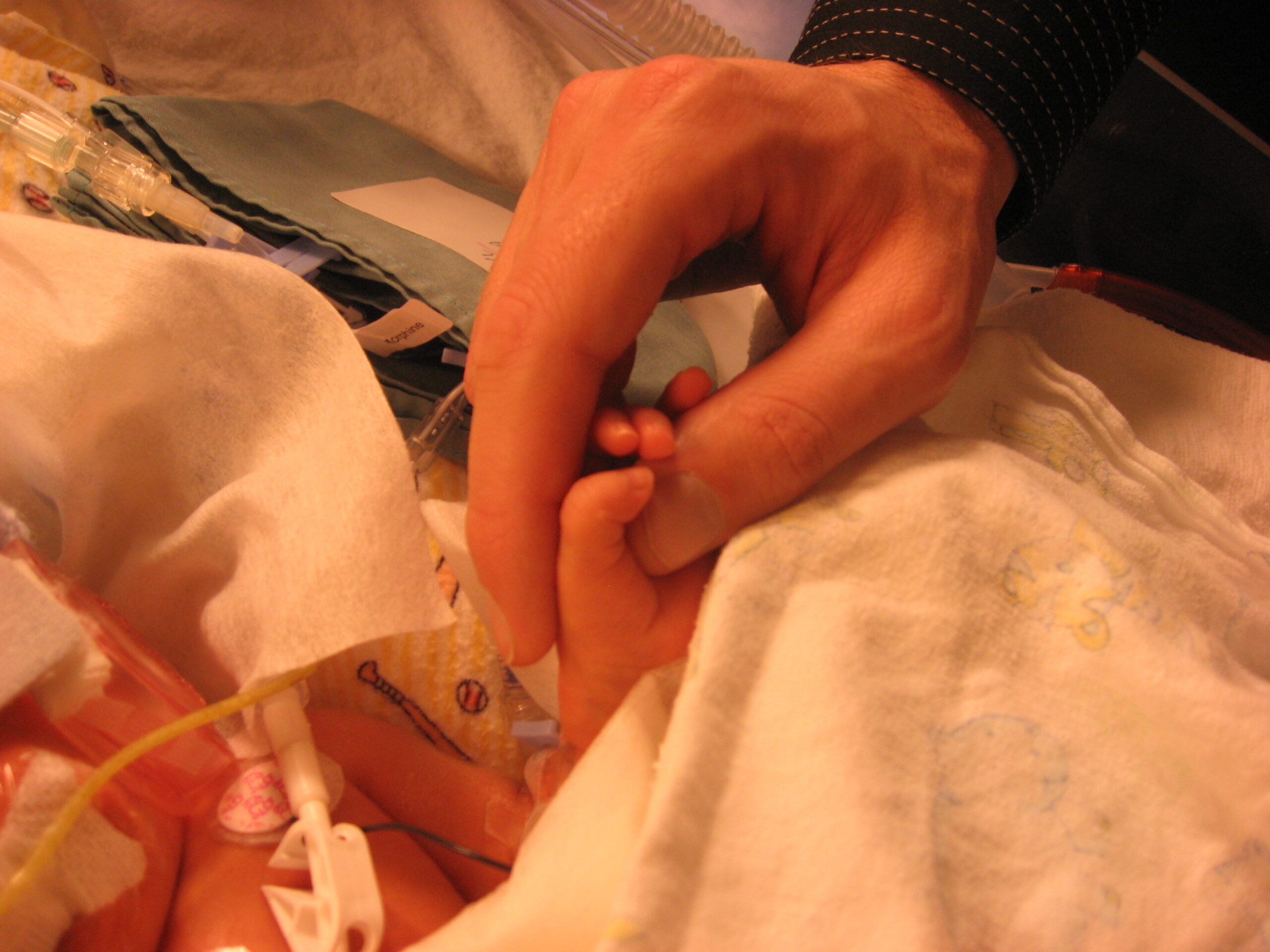
Comprehensive Therapy and Support for Children Birth-3 and Their Families
There’s no child quite like yours—and Northwest Center Kids Early Supports celebrates that. We believe that all ways of being, moving, and connecting in this world are valuable and meaningful. We meet children where they are, helping them develop new skills and achieve milestones while affirming their individuality, personality, culture, and family life.
Contact Us to Learn More about Early Supports
A doctor’s referral is not necessary.

Call: (206) 691-2598

Email: Contact Us
Birth-to-3 Services with Resources Centered on the Family
Tablist
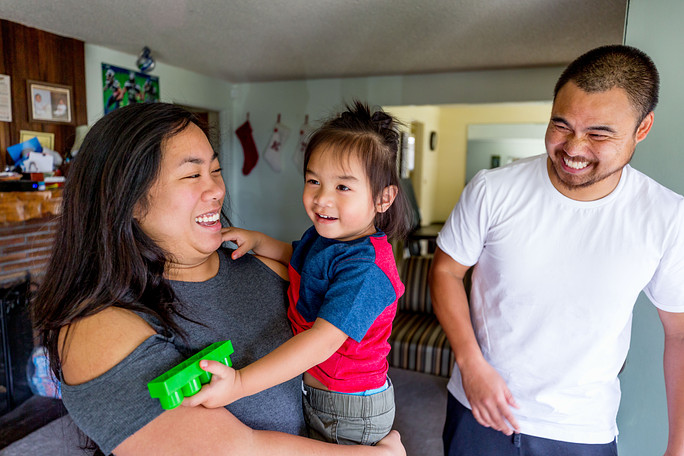
A Plan We Create with You
First, we’re here to listen. We understand that it can be overwhelming to navigate medical terms and therapy and get answers to your questions. That’s why every one of our Early Supports services begins by getting to know your family and child. Our early childhood development specialists will listen to your concerns, share our expertise in child development, and work with you to create a plan to support your child’s development while affirming their individuality.
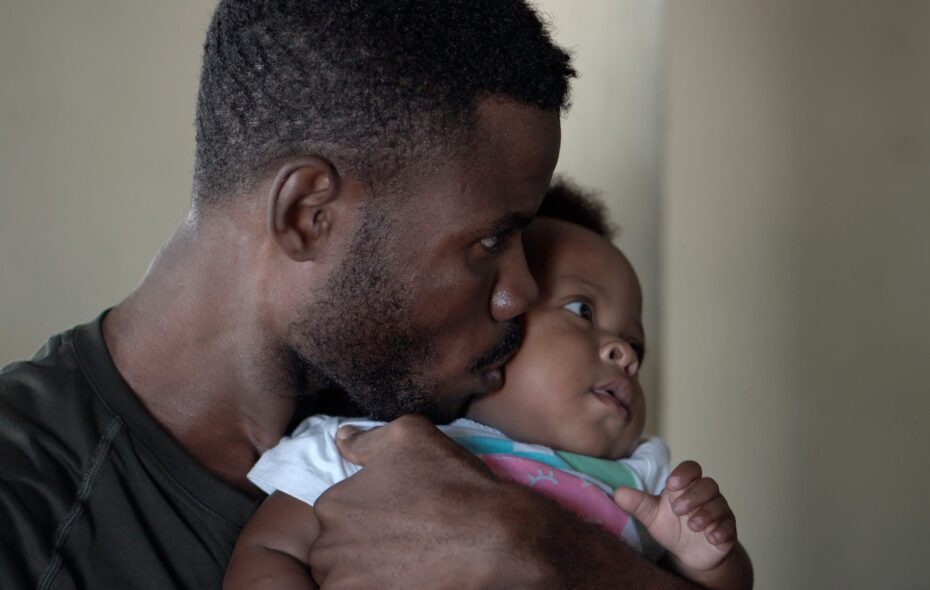
Built on Important Relationships
NWC Kids Early Supports provides whole child developmental services. This means we don’t rely solely on one medical recommendation or concern, but learn about the child’s caregivers, where they spend time, and their social-emotional strengths and weaknesses. Early Supports services that align with the relationships most important to your child have been scientifically shown to support social-emotional development and help children build strong neural pathways.
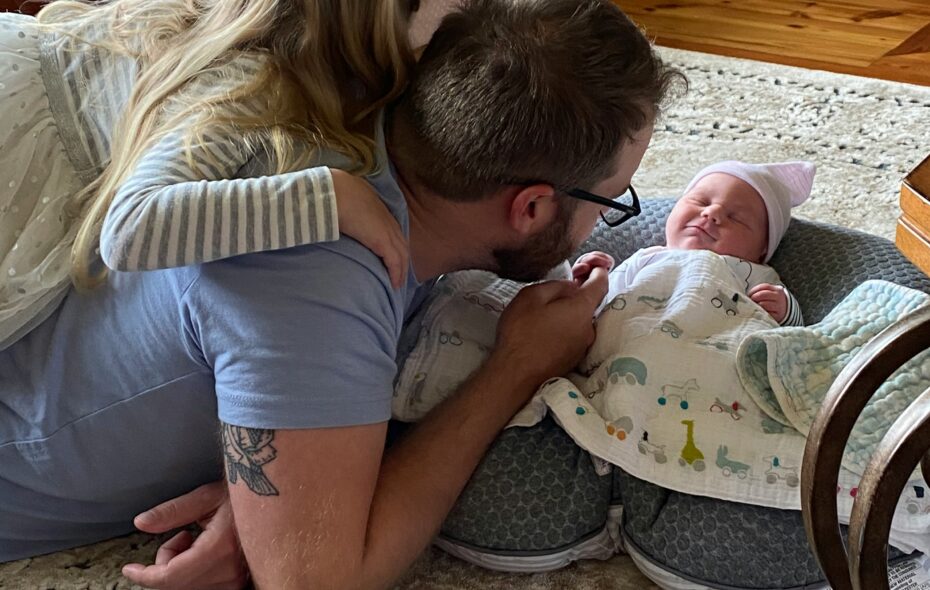
Hybrid In-Person and Virtual Services
Home means a lot of things these days, and our services reflect that. We’ve had great success delivering a mix of in-person and virtual Early Supports therapy and consultations. When we work with you to develop your child’s individualized plan, you choose whether services will be in-person at home, in a clinic setting, virtual, or a combination.

Evaluation at No Cost to You
If you have a concern about your child’s development, get answers and get started with confidence. Early Supports will provide a full developmental evaluation at no cost to your family. Contact us to schedule yours now.
Equitable Access to Quality Services
We are committed to ensuring that all children have access to quality services, and we work to find funding for families as needed.
Early Support services are partly subsidized through government funding, and we also bill private insurance and Medicaid. Our contact with private insurance requires us to collect co-pays, deductibles, and co-insurance associated with your child’s insurance plan. It is the client’s responsibility to understand their insurance benefits and their responsibility to Northwest Center.
To make our services accessible to all qualifying children regardless of income level, scholarship applications are available. We encourage you to apply if you have any concerns regarding costs.
What Families Have Said
“Because Northwest Center has resources in its network, I didn’t have to wait for referrals to different places. We have meetings with his childcare, Early Head Start, Alex’s doctor, and his nutritionist, which means that we are all on the same page, so there is connection and support.”KatiaAlex’s mom
“It’s been so reassuring to have an expert to catch an issue I may not have noticed or catch a success I haven’t seen yet. We have been treated with such respect and care the whole time.”JuliaZinni's mom

The Early Supports Process
When you work with NWC Kids Early Supports, our team of therapists, educators, and family resources coordinators will:
- Listen to your concerns
- Evaluate your child’s development
- Support medical and community care coordination and resources for your family
- Work with you to create a plan to support your child’s development
- Work with your family in the language you are comfortable with, through interpreters or bilingual staff
80%80% of brain development occurs from birth to age 3.
1 MillionChildren form 1 million new neural connections every second in their first years of life.
Child DevelopmentHigh quality Early Supports services can change a child’s developmental trajectory and improve outcomes for children, families, and communities, and can have a significant impact on a child’s ability to learn new skills and overcome challenges and can increase success in school and life.
Academic AchievementEarly Supports programs have been shown to yield benefits in academic achievement, behavior, and educational progression.
80% of brain development occurs from birth to age 3.
– National Library of Medicine
Children form 1 million new neural connections every second in their first years of life.
– Harvard University Center on the Developing Child
High quality Early Supports services can change a child’s developmental trajectory and improve outcomes for children, families, and communities, and can have a significant impact on a child’s ability to learn new skills and overcome challenges and can increase success in school and life.
– Centers for Disease Control and Prevention
Early Supports programs have been shown to yield benefits in academic achievement, behavior, and educational progression.
– RAND Corporation
A Note About Our Name
Early Supports was previously known as Early Intervention. We shifted away from that term as we received feedback from our community that, historically, families have had negative experiences with “interventions” from state-funded programs. We also realized that we do not intervene with families; we support and work alongside them.